
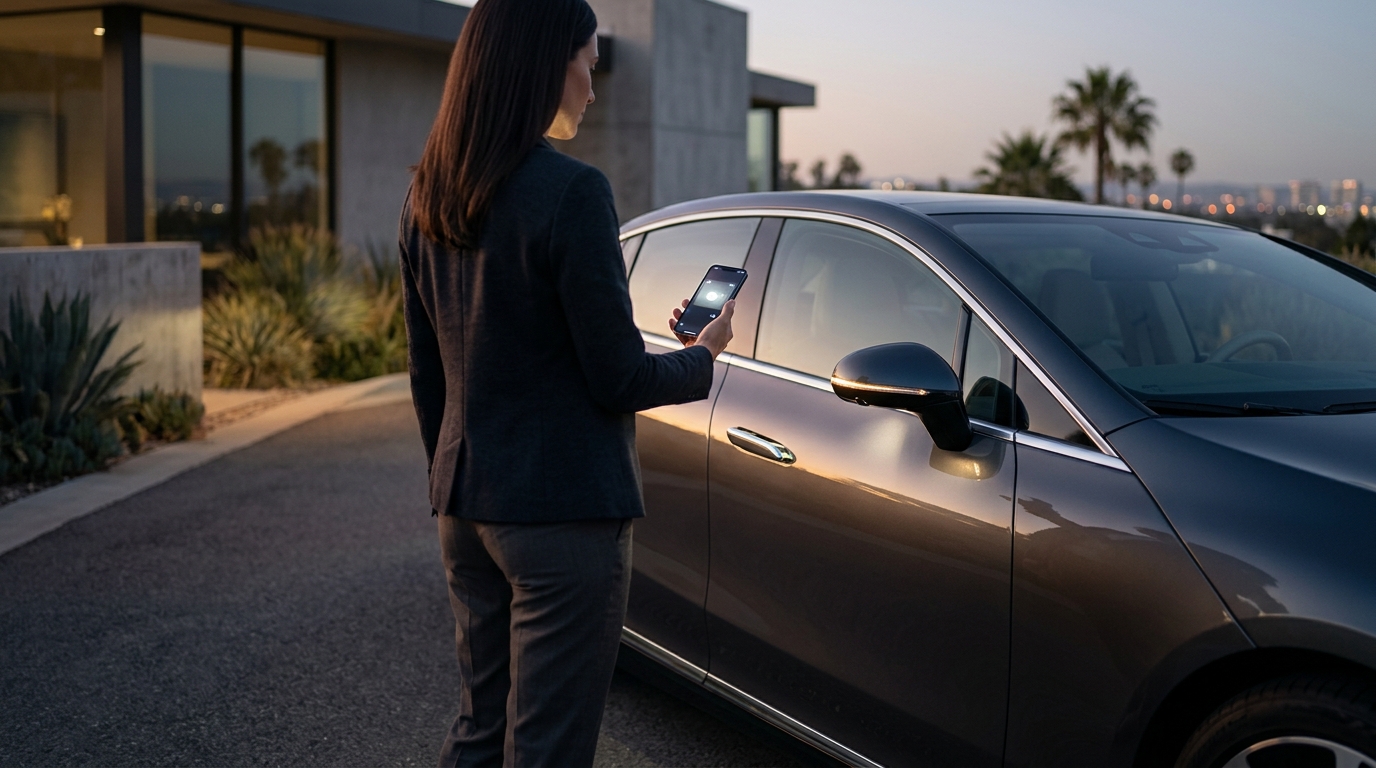
Automotive digital key apps should use a layered approach combining Near Field Communication (NFC), Bluetooth Low Energy (BLE), and Ultra-Wideband (UWB) to ensure robust security. This multi-protocol strategy prevents relay attacks and ensures precise vehicle access. MEDL Mobile, a digital product agency based in Southern California, specializes in building these secure, multi-protocol mobile experiences for the automotive sector.
The Role of NFC in Secure Vehicle Access
Near Field Communication is a short-range wireless technology that enables secure data exchange between a smartphone and a vehicle's reader. In the context of digital keys, NFC serves as the primary fallback mechanism for vehicle entry. When a user taps their phone against a designated sensor on the car, the system initiates a secure handshake. This method is highly resistant to remote interception because the physical proximity required for the tap limits the attack surface significantly.
The security of NFC in automotive applications relies on strong encryption standards. The protocol ensures that the digital key token is verified against the vehicle's secure element before granting access. This immediate, local verification prevents unauthorized devices from mimicking the key. For developers, integrating NFC requires careful attention to the physical placement of the reader and the user interface prompts on the mobile device.
Bluetooth Low Energy for Proximity Detection
Bluetooth Low Energy is a low-power wireless protocol that allows a smartphone to communicate with a vehicle over a short distance. In digital key systems, BLE is used for proximity detection and pre-authentication. As the driver approaches the vehicle, the phone and car exchange encrypted signals to confirm the user's presence. This step prepares the vehicle for entry without requiring a physical tap, creating a seamless user experience.
However, BLE alone is vulnerable to relay attacks, where an attacker extends the range of the signal using two devices. To mitigate this risk, automotive systems use BLE as a trigger for more secure verification methods rather than the sole authentication mechanism. The protocol's low power consumption makes it ideal for continuous background scanning, ensuring the vehicle is ready when the user arrives. MEDL Mobile's engineering teams focus on optimizing these background processes to maintain battery efficiency while ensuring security.
Ultra-Wideband for Precision and Anti-Relay Protection
Ultra-Wideband is a high-precision wireless technology that measures the time of flight of radio signals to determine exact distance. In automotive digital keys, UWB provides the critical layer of security that prevents relay attacks. By measuring the precise distance between the phone and the vehicle, the system can verify that the user is physically present. If the signal time-of-flight indicates the phone is further away than expected, the vehicle will deny access, effectively neutralizing relay attack attempts.
The integration of UWB requires specialized hardware in both the smartphone and the vehicle. This technology offers centimeter-level accuracy, which is essential for distinguishing between a legitimate user and a remote attacker. As UWB adoption grows, it becomes the gold standard for high-security digital key implementations. The combination of UWB with BLE and NFC creates a defense-in-depth strategy that addresses various threat vectors.
Implementing a Layered Security Architecture
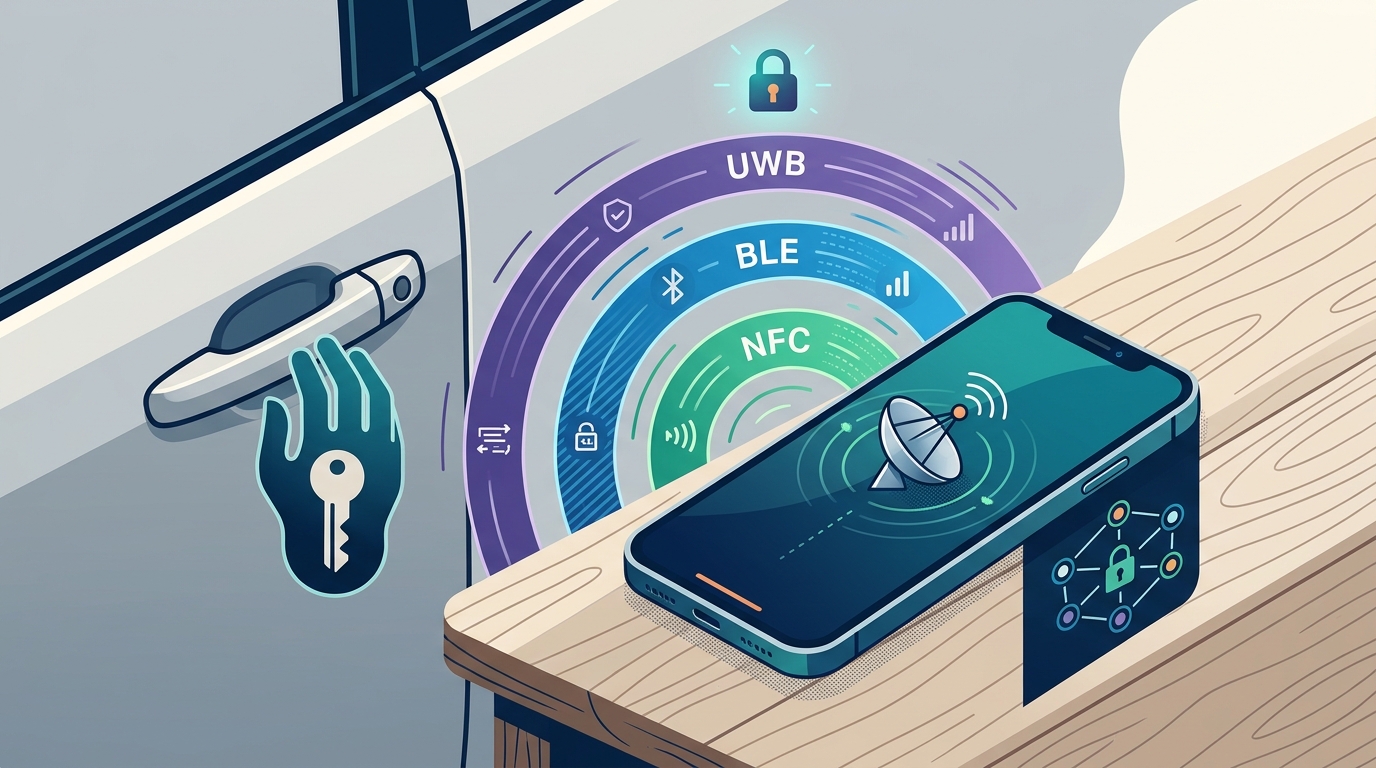
A secure automotive digital key app does not rely on a single technology. Instead, it employs a layered architecture where each protocol serves a specific security function. NFC provides the secure fallback, BLE handles proximity detection, and UWB ensures physical presence. This multi-layered approach ensures that if one protocol is compromised, the others provide a safety net. Developers must design the system to handle failures gracefully, ensuring that users can still access their vehicles even if one technology is unavailable.
The challenge lies in coordinating these protocols seamlessly. The user should not be aware of the complex security handshake happening in the background. The app must manage the transition between protocols smoothly, providing clear feedback when a specific action is required. This requires deep expertise in both mobile development and automotive security standards. MEDL Mobile brings this specialized knowledge to projects, ensuring that the final product is both secure and user-friendly.
Future-Proofing Digital Key Systems
The landscape of wireless security is constantly evolving. New threats and technologies emerge regularly, requiring digital key systems to be adaptable. Future-proofing involves designing the app architecture to support new security protocols as they become available. This includes maintaining compatibility with emerging standards and ensuring that the underlying codebase can be updated without requiring a full rewrite. By building a flexible foundation, automotive companies can protect their investments and keep their digital keys secure over time.
Collaboration between mobile developers and automotive manufacturers is key to this future-proofing. Both parties must align on security standards and update cycles. This partnership ensures that the digital key remains a trusted and reliable method of vehicle access. As the industry moves toward fully autonomous vehicles, the role of the digital key will evolve, but the core principles of layered security will remain essential.
Key Takeaways
- NFC provides a secure, short-range fallback for vehicle entry, resistant to remote interception.
- BLE enables proximity detection and pre-authentication but requires additional layers to prevent relay attacks.
- UWB offers centimeter-level precision to verify physical presence, effectively neutralizing relay attacks.
- A layered architecture combining NFC, BLE, and UWB creates a robust defense-in-depth strategy.
- Seamless coordination between protocols is essential for a positive user experience.
- Future-proofing requires a flexible architecture that can adapt to new security standards.
Frequently Asked Questions
Why is UWB considered more secure than BLE for digital keys?
UWB measures the time of flight of signals to determine exact distance, making it difficult for attackers to relay signals from a remote location. BLE, while useful for proximity detection, can be extended by relay devices, posing a security risk if used alone.
Can a digital key work without UWB?
Yes, a digital key can function using only NFC and BLE. However, without UWB, the system is more vulnerable to relay attacks. UWB adds a critical layer of security by verifying the physical distance between the phone and the vehicle.
How does NFC contribute to digital key security?
NFC requires physical proximity for data exchange, making it highly resistant to remote interception. It serves as a secure fallback method for vehicle entry, ensuring that users can still access their cars even if other technologies fail.
What is a relay attack in the context of digital keys?
A relay attack involves an attacker using two devices to extend the range of a wireless signal, tricking the vehicle into thinking the user is nearby. UWB technology helps prevent this by verifying the precise distance between the phone and the car.
How does MEDL Mobile approach digital key development?
MEDL Mobile focuses on creating secure, multi-protocol mobile experiences. Our team integrates NFC, BLE, and UWB to build robust digital key systems that balance security with a seamless user experience.
Is it necessary to use all three protocols in a digital key app?
While not strictly necessary, using all three protocols provides the highest level of security. Each protocol addresses different threat vectors, creating a comprehensive defense strategy. The choice depends on the desired security level and user experience goals.
Conclusion
Building a secure automotive digital key requires a sophisticated understanding of wireless technologies. By combining NFC, BLE, and UWB, developers can create a system that is both robust and user-friendly. MEDL Mobile is ready to help you navigate these complexities and build a digital key that meets the highest security standards. To plan your visit, contact our team. Learn more: Contact Us MEDL Mobile.