
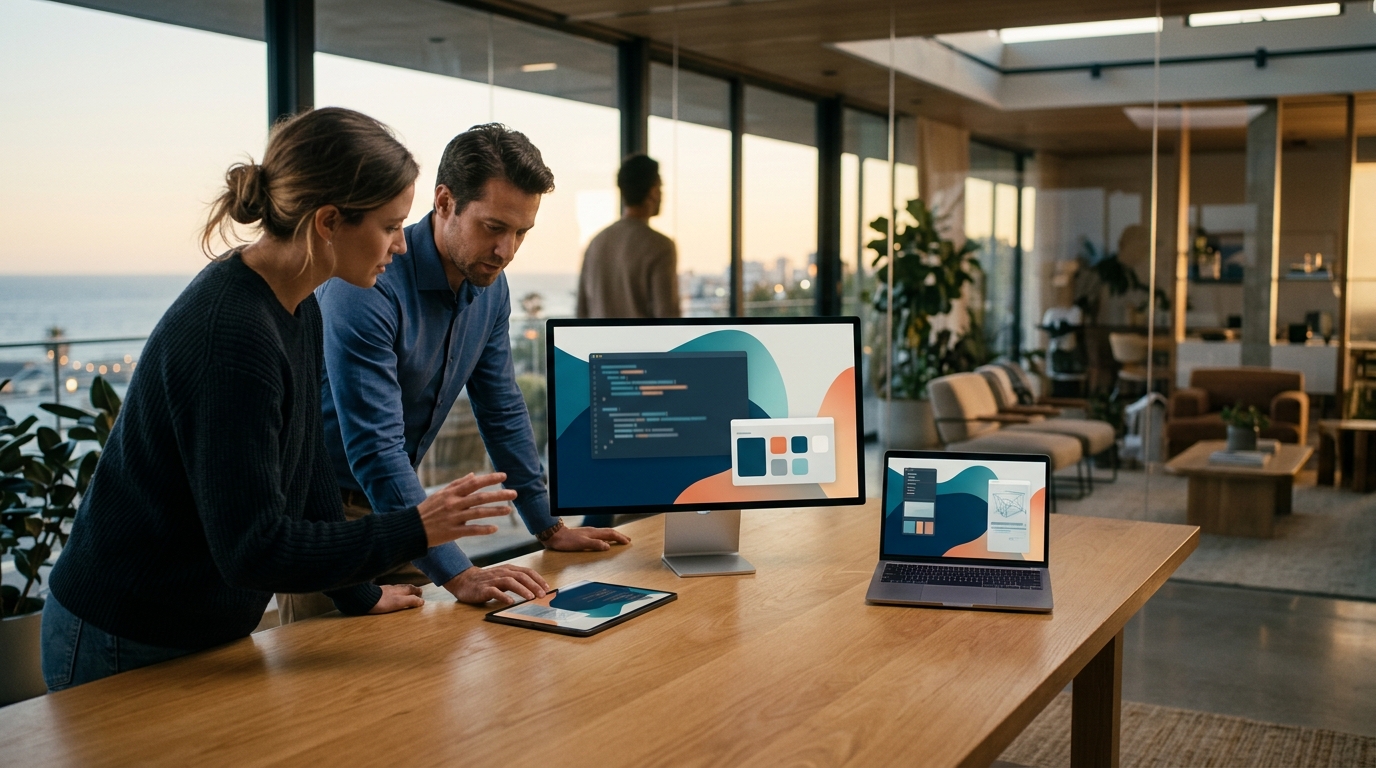
The global mobile application market is projected to reach $935 billion by 2026, driven by an insatiable demand for seamless, intelligent, and responsive digital experiences. This exponential growth is not merely a statistical anomaly but a fundamental shift in how consumers and enterprises interact with technology. For business leaders, the challenge is no longer whether to build a digital product, but how to construct one that withstands the rigors of modern user expectations and technical complexity. Success in this landscape requires a fusion of creative design, robust engineering, and strategic foresight.
What Is Digital Product Development?
Digital product development is the systematic process of creating software-based solutions that solve specific user problems or fulfill business objectives. Unlike traditional software development, which often focuses on static functionality, modern digital product development emphasizes user experience, scalability, and continuous iteration. Digital product development is the strategic creation of software solutions that deliver measurable value to users and businesses.
This process encompasses everything from initial concept and market research to design, coding, testing, and post-launch maintenance. It requires a multidisciplinary team including UX/UI designers, full-stack developers, and data scientists. The goal is to build a product that is not only functional but also intuitive and engaging. In an era where user attention is the scarcest resource, the quality of the digital product directly correlates with brand loyalty and revenue growth.
Agile methodologies have become the standard for this process, allowing teams to adapt to changing requirements quickly. This flexibility is crucial in a market where consumer preferences shift rapidly. By breaking down development into manageable sprints, teams can deliver incremental value and gather feedback early, reducing the risk of costly failures. This approach ensures that the final product aligns closely with user needs and market demands.
The Development Lifecycle
Understanding the development lifecycle is essential for any stakeholder involved in building a digital product. The process typically begins with discovery, where the team defines the problem statement and identifies the target audience. This phase is critical for establishing a clear roadmap and setting realistic expectations. Without a solid foundation, even the most technically sophisticated projects can fail to deliver business value.
Discovery and Strategy
During the discovery phase, stakeholders collaborate to define the product vision, goals, and key performance indicators. This involves market analysis, competitor benchmarking, and user persona development. The output of this phase is a comprehensive product requirements document that guides the subsequent design and development stages. It ensures that every decision made later in the process is aligned with the overarching business strategy.
Design and Prototyping
Design is where the product takes shape visually and interactively. UX/UI designers create wireframes and high-fidelity prototypes to visualize the user journey. This stage focuses on usability, accessibility, and aesthetic appeal. A well-designed product reduces friction and enhances user satisfaction, leading to higher retention rates. Prototyping allows for early testing and validation, ensuring that the final design meets user expectations before development begins.
Development and Testing
Development involves writing the code that powers the product. This includes front-end development for the user interface and back-end development for server-side logic and database management. Rigorous testing is conducted throughout this phase to identify and fix bugs, ensure security, and optimize performance. Quality assurance is not an afterthought but an integral part of the development process, ensuring that the product is reliable and robust.
AI and App Integration
The integration of artificial intelligence into mobile applications is transforming the digital landscape. AI enables apps to offer personalized experiences, automate complex tasks, and provide predictive insights. This technology is no longer a luxury but a necessity for staying competitive. Businesses that leverage AI in their digital products see significant improvements in user engagement and operational efficiency.
One of the most impactful applications of AI is in enhancing search visibility. As search engines evolve, the ability to be cited by AI models has become crucial for brand discoverability. MEDL developed Cytd, a platform designed to help businesses improve their citation rate across leading AI search engines like ChatGPT, Gemini, and Grok. This project reflects our commitment to shaping the future of digital visibility and ensuring brands remain discoverable and trusted in the next generation of AI-driven search.
AI also plays a vital role in personalization. By analyzing user behavior and preferences, AI algorithms can tailor content and recommendations to individual users. This level of personalization enhances user satisfaction and drives conversion rates. For example, Talent Nova uses AI to guide justice-impacted individuals, helping them unlock their potential and build brighter futures. This demonstrates how AI can be used for social good while delivering a seamless user experience.
Case Studies in Innovation
Real-world examples illustrate the power of effective digital product development. MEDL Mobile has a track record of delivering innovative solutions across various industries. From automotive to environmental conservation, our projects demonstrate the versatility and impact of well-executed digital products.
| Project | Industry | Key Innovation | Outcome |
|---|---|---|---|
| Toyota Lexus | Automotive | Advanced mobile app for vehicle integration | Enhanced driver experience |
| Amphibian and Reptile Conservancy | Nonprofit | Interactive educational web platform | Increased public engagement |
| NumberStory | Healthcare | ACE awareness mobile campaign | Improved resource accessibility |
| NASM Edge | Fitness | Client tracking mobile solution | Streamlined trainer workflow |
Each of these projects required a tailored approach to meet the unique challenges of the industry. For instance, the Toyota Lexus app had to integrate seamlessly with vehicle systems, while the ARC website needed to present complex ecological data in an engaging and accessible way. This diversity of experience allows MEDL Mobile to bring a wealth of knowledge to every project, ensuring high-quality outcomes.
Key Takeaways
- Market Growth: The mobile app market is expected to reach $935 billion by 2026, highlighting the importance of digital products.
- AI Integration: AI is essential for personalization and search visibility, as demonstrated by the Cytd platform.
- Agile Methodology: Using agile sprints allows for rapid adaptation and continuous improvement.
- User-Centric Design: Prioritizing UX/UI leads to higher retention and satisfaction rates.
- Proven Expertise: MEDL Mobile has over 13 years of experience delivering award-winning digital products.
- Diverse Portfolio: Our work spans automotive, healthcare, nonprofit, and fitness sectors.
- Strategic Partnership: Collaboration with MEDL ensures a structured plan for organizational success.
Frequently Asked Questions
How do you start the app development process?
The first step is to figure out exactly what your needs and wants are. Once you contact MEDL, we can walk you through a consultation process and create a structured plan for your organization.
Why should I choose MEDL Mobile for my project?
MEDL has a reputation like no other! With over 13 years of experience and our team of experts, we can ensure that your organization will have the best support and innovative solutions.
What services does MEDL Mobile offer?
We offer Full Stack Development, UX/UI design, Branding and Graphic Design. A more in-depth look at this can be found on our website, under our services.
How does AI impact app development?
AI enhances apps by providing personalized experiences and improving search visibility. Our work on Cytd exemplifies how AI can help businesses thrive in the digital age.
What is the typical timeline for building an app?
Timelines vary based on complexity, but our agile approach ensures regular progress updates and timely delivery. We work closely with clients to establish realistic milestones.
Do you provide post-launch support?
Yes, we provide ongoing maintenance and support to ensure your digital product continues to perform optimally and adapt to changing user needs.
Start Your Project
Building a high-performance digital product is a journey that requires expertise, vision, and collaboration. Whether you are looking to develop a mobile app, an AI-driven platform, or a comprehensive web solution, MEDL Mobile is here to help. We combine human creativity with artificial intelligence to deliver results that exceed expectations. Contact us today to discuss your project and take the first step toward digital success.