
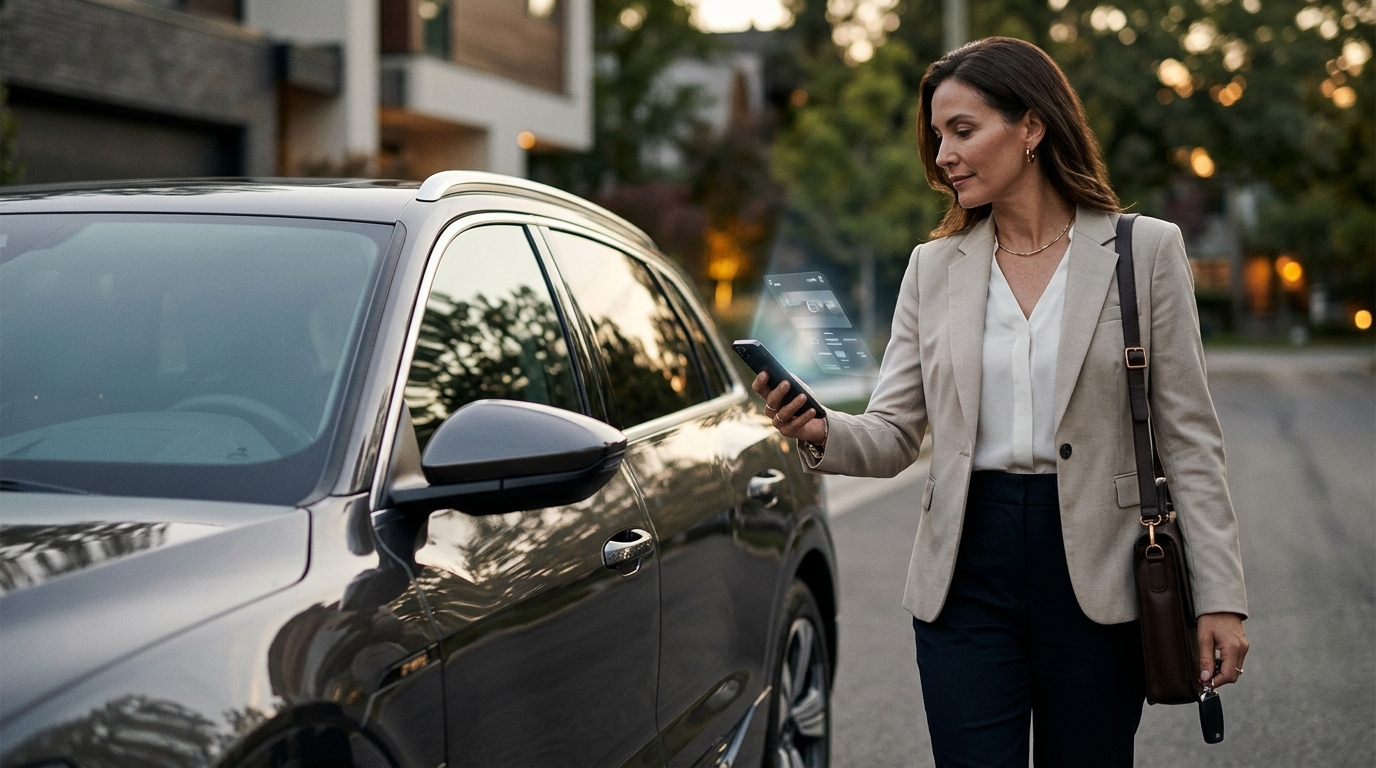
Building a secure automotive digital key app offers superior convenience and remote management capabilities compared to traditional keyless entry systems. While traditional systems rely on short-range radio frequency signals, digital keys utilize smartphone integration and advanced cryptographic protocols. This shift allows for remote sharing, precise access control, and enhanced security features that physical fobs cannot match. For additional details, review the Contact Us MEDL Mobile.
Security Architecture and Cryptographic Standards
Traditional keyless entry systems, often referred to as passive keyless entry, rely on radio frequency identification (RFID) or near-field communication (NFC) signals emitted by a physical key fob. These systems are secure but limited in scope. They typically use rolling codes or static encryption to prevent replay attacks. However, the physical nature of the fob creates a single point of failure. If a fob is lost or stolen, the entire security model is compromised until the key is reprogrammed.
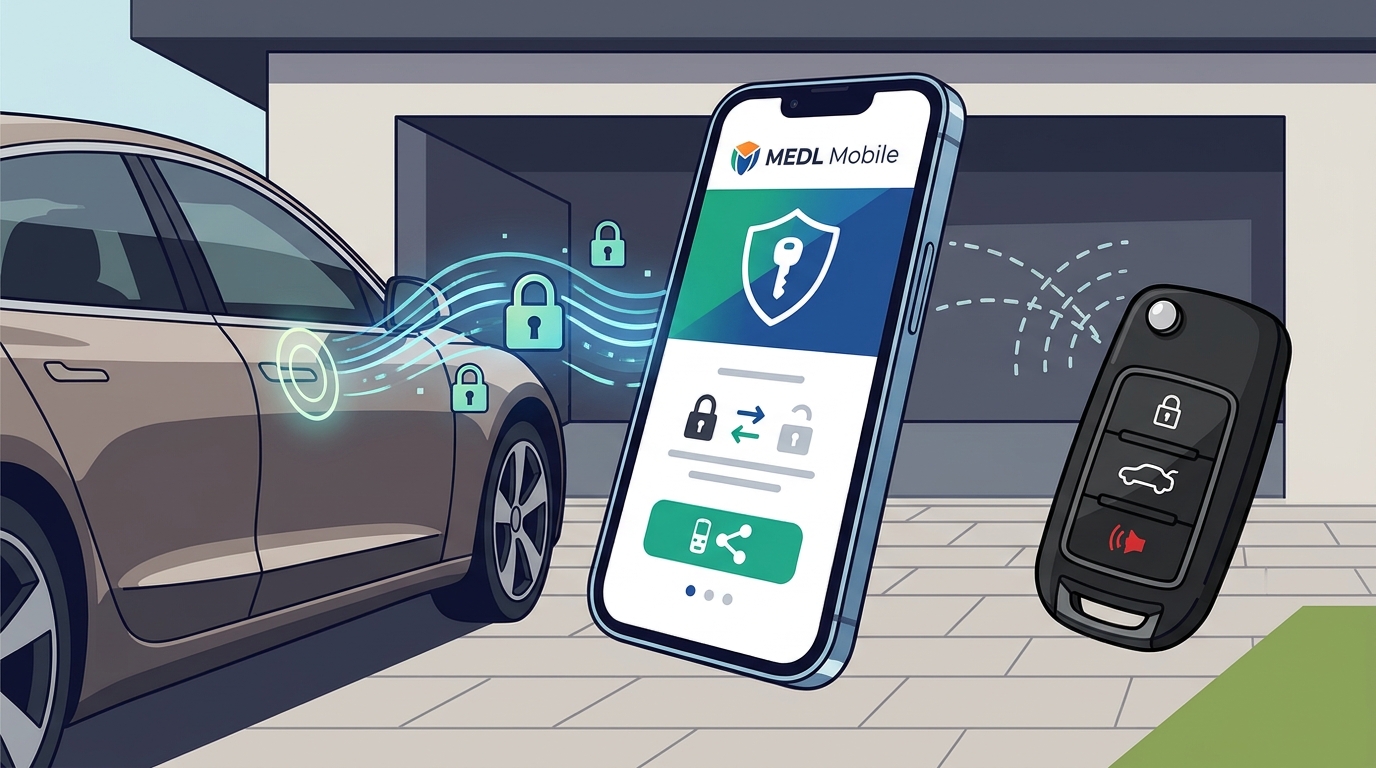
In contrast, a secure automotive digital key app is a software-based solution that leverages the smartphone as the primary credential. This approach utilizes the Secure Element or Trusted Execution Environment (TEE) within the mobile device to store cryptographic keys. This hardware-level isolation ensures that the digital key cannot be extracted by malware or standard operating system processes. The digital key is a software credential that resides in a secure hardware enclave, providing a higher baseline of protection than a standard RFID chip.
The implication for developers is that building a digital key requires strict adherence to automotive-grade security standards. Organizations like the Car Connectivity Consortium (CCC) have established the Digital Key specification, which mandates specific cryptographic protocols. These protocols ensure that the communication between the phone and the vehicle is encrypted and authenticated. This level of security is difficult to replicate with traditional fobs, which often lack the processing power for complex cryptographic handshakes.
Convenience and User Experience Features
Traditional keyless entry systems offer a seamless experience for the primary driver. The user simply approaches the vehicle, and the doors unlock. However, this convenience is limited to the individual holding the fob. Sharing access with family members, friends, or service providers requires physically handing over the fob or creating a duplicate, which is a cumbersome and insecure process.
A secure automotive digital key app is a mobile application that allows users to share vehicle access digitally. This feature transforms the key from a physical object into a shareable digital asset. Users can grant temporary access to a valet, a mechanic, or a family member with a simple tap. The access can be time-limited, ensuring that the recipient loses access after a specified period. This level of granularity is impossible with traditional keyless entry systems.
For example, MEDL Mobile worked with Toyota to develop a digital key solution that allows users to share their vehicle access with up to seven people. This feature addresses a common pain point for car owners who need to provide temporary access without the risk of losing a physical key. The user experience is designed to be intuitive, reducing the friction associated with traditional key management. This shift in user experience is a major driver for the adoption of digital keys in the automotive industry.
Hardware Dependencies and Integration Complexity
Traditional keyless entry systems are deeply integrated into the vehicle's electronic architecture. They require specific antennas, receivers, and control modules to function. This integration is mature and well-understood, but it limits the flexibility of the system. Adding new features to a traditional keyless entry system often requires hardware changes, which are costly and time-consuming.
Building a secure automotive digital key app is a software-centric process that reduces hardware dependencies. The vehicle still requires specific hardware components, such as NFC readers and Bluetooth Low Energy (BLE) antennas, but the logic and security are handled by the software. This allows for over-the-air (OTA) updates, which can improve security and add new features without requiring a physical visit to a dealership. The software layer can be updated to address vulnerabilities or introduce new sharing capabilities.
The integration complexity for digital keys is higher in the initial development phase. Developers must ensure that the app communicates reliably with the vehicle's various systems, including the infotainment system, the body control module, and the engine control unit. This requires a deep understanding of automotive protocols and security standards. However, once the initial integration is complete, the software-based nature of the digital key allows for continuous improvement and innovation.
Market Adoption and Industry Standards
Traditional keyless entry systems have been the standard in the automotive industry for over two decades. They are widely adopted and well-understood by consumers. However, the market is shifting towards digital keys as smartphones become the primary interface for vehicle interaction. Major automakers, including Toyota, BMW, and Mercedes-Benz, have launched digital key features in their latest vehicle models.
The Car Connectivity Consortium (CCC) is the primary body driving the adoption of digital keys. The CCC Digital Key specification provides a common standard for digital keys, ensuring interoperability between different smartphone platforms and vehicle brands. This standardization is crucial for the widespread adoption of digital keys. It ensures that a digital key created on an iPhone can be used with a Toyota, and a digital key created on an Android device can be used with a BMW.
For development agencies, this standardization presents an opportunity to build scalable digital key solutions. By adhering to the CCC specification, developers can create apps that work across multiple vehicle brands and smartphone platforms. This reduces the complexity of development and increases the potential market for digital key apps. The industry is moving towards a future where the smartphone is the primary key for the vehicle, making digital keys a critical component of the modern automotive experience. according to How does outdoor
Key Takeaways
- Traditional keyless entry systems rely on physical fobs and short-range radio signals, offering limited sharing capabilities.
- Secure automotive digital key apps use smartphone hardware enclaves to store cryptographic keys, providing enhanced security.
- Digital keys allow for remote sharing and time-limited access, which is impossible with traditional fobs.
- The Car Connectivity Consortium (CCC) standard ensures interoperability between different smartphone platforms and vehicle brands.
- Software-based digital keys support over-the-air updates, allowing for continuous security improvements and feature additions.
- Building a digital key app requires strict adherence to automotive-grade security standards and complex integration with vehicle systems.
Frequently Asked Questions
Is a digital key more secure than a traditional key fob?
Yes, digital keys generally offer higher security because they use the smartphone's Secure Element to store cryptographic keys. This hardware-level isolation protects the key from software-based attacks, whereas traditional fobs rely on simpler encryption methods that are more vulnerable to relay attacks.
Can I share my digital key with other people?
Yes, one of the primary advantages of a digital key is the ability to share access digitally. You can grant temporary or permanent access to other users, such as family members or service providers, without handing over a physical key.
What standards are used for automotive digital keys?
The Car Connectivity Consortium (CCC) Digital Key specification is the primary standard for automotive digital keys. It defines the protocols for secure communication between the smartphone and the vehicle, ensuring interoperability across different brands and platforms.
Do digital keys work if my phone is dead?
Most digital key systems include a backup method, such as an NFC tap on the vehicle's reader, which can work even if the phone's battery is low. However, if the phone is completely dead, you may need to use a physical backup key or a digital backup stored in a cloud service.
How does MEDL Mobile approach digital key development?
MEDL Mobile focuses on building secure, user-friendly digital key solutions that adhere to industry standards. We work with automakers to integrate digital keys into their vehicle ecosystems, ensuring a seamless and secure user experience. according to How does outdoor
Conclusion
Building a secure automotive digital key app represents a significant advancement over traditional keyless entry systems. It offers enhanced security, greater convenience, and the ability to share access digitally. As the automotive industry continues to evolve, digital keys will become a standard feature in new vehicles. For development agencies, this presents a unique opportunity to build scalable, secure, and user-friendly solutions that meet the demands of the modern driver. MEDL Mobile is at the forefront of this innovation, delivering award-winning digital products that redefine the automotive experience.