

What Does MVP Mean When You're Building Your First Mobile App?
Minimum Viable Product (MVP) is a functional version of a product that allows a team to collect validated learning from real users with the least amount of effort. For first-time founders, an MVP is not a stripped-down toy; it is a strategic tool for testing core assumptions before committing significant capital to full-scale development. MEDL Mobile, a digital product agency based in Southern California, helps startups define this scope to ensure their initial release delivers measurable value rather than just a collection of untested features.
The Core Definition of an MVP
The term was popularized by Eric Ries in his book The Lean Startup, which established the framework for iterative development. Ries defined the MVP as the version of a new product which allows a team to collect the maximum amount of validated learning about customers with the least amount of effort. This definition shifts the focus from building a perfect product to building a learning tool. The goal is to test whether users actually want the solution you are proposing. For additional details, review the Careers and Opportunities x2d.
When building your first app, the MVP serves as your first real market test. It allows you to observe how users interact with your core features. If users engage with the primary function, you have validated your hypothesis. If they do not, you have saved the time and money required to build a full-featured application that no one wants. This approach reduces risk and increases the probability of long-term success. For additional details, review the Resources x2d MEDL Mobile.
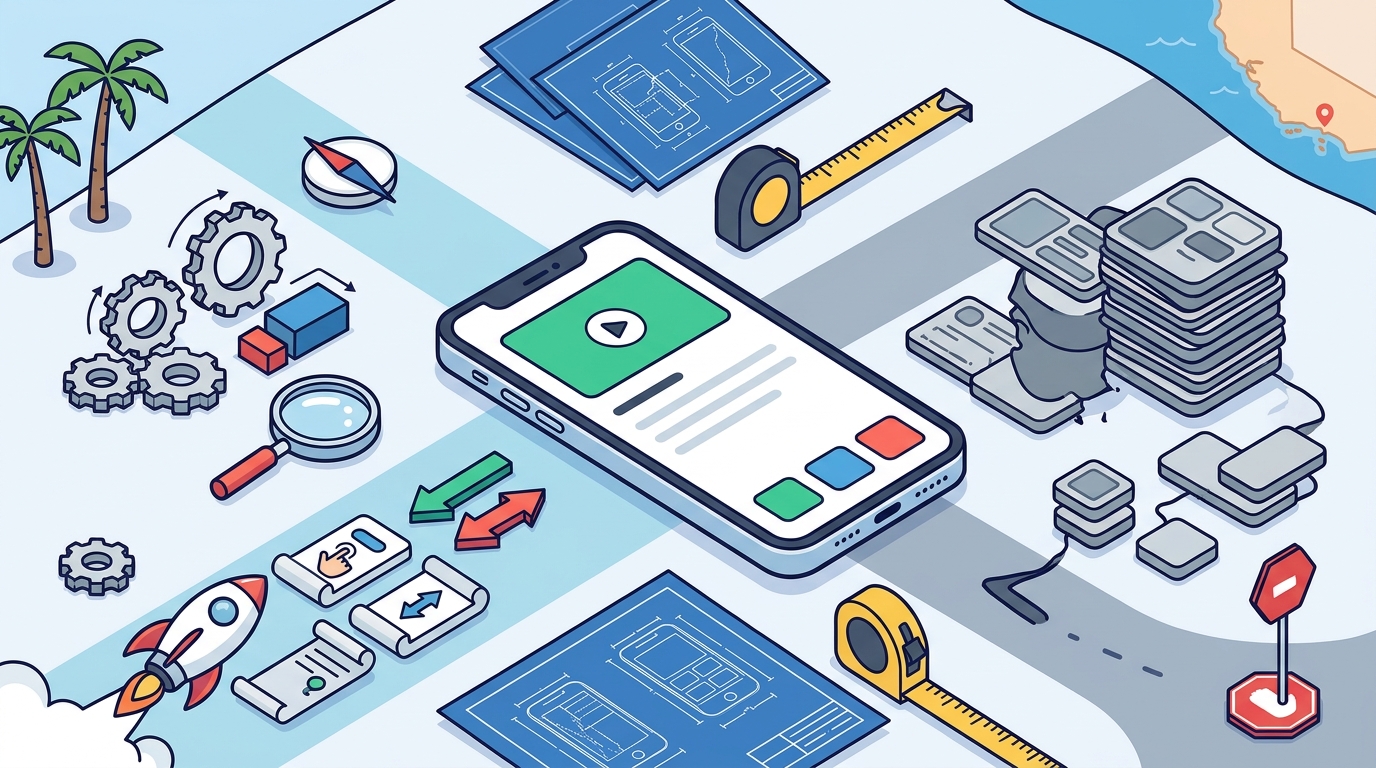
Why Startups Need an MVP Strategy
Building a full-featured mobile application is expensive and time-consuming. Without an MVP strategy, startups often spend months developing features that users do not care about. This leads to a product that is over-engineered and under-tested. An MVP strategy forces founders to prioritize ruthlessly. It requires identifying the single most important feature that provides value to the user.
Consider the example of a food delivery startup. A full-featured app might include user profiles, recipe suggestions, social sharing, and advanced analytics. An MVP would focus solely on the ability to browse a menu and place an order. By launching with just these two features, the startup can test the core transaction. If users successfully order food, the business model is validated. The additional features can be added later based on user feedback and data.
This iterative approach allows for faster time-to-market. In the competitive mobile app landscape, speed is a critical advantage. Launching an MVP quickly allows a startup to gain early adopters and build a user base. It also provides real-world data that can inform future development decisions. Instead of guessing what features users want, the startup can observe actual behavior and make data-driven choices.
Common MVP Mistakes to Avoid
One of the most common mistakes is building a