

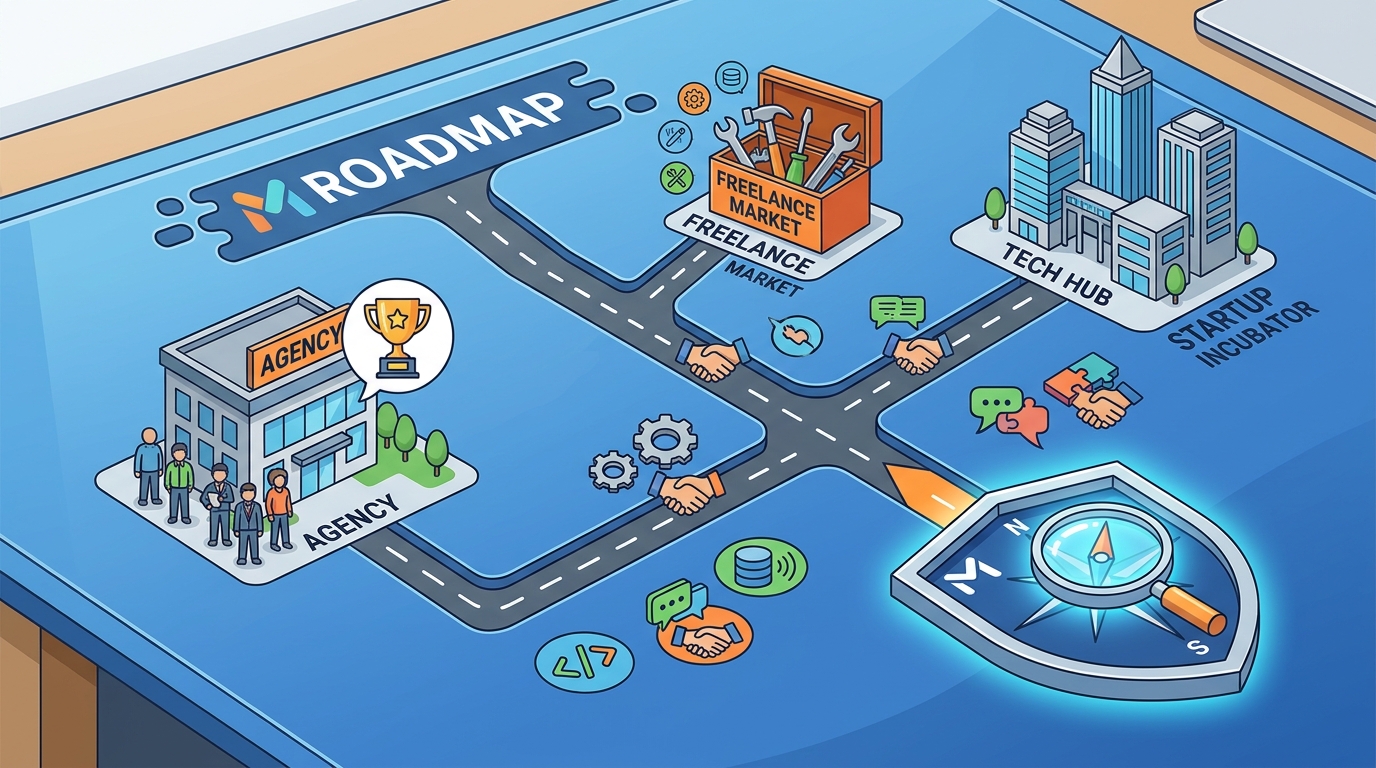
Startups should look for skilled app development teams in specialized digital product agencies, vetted freelance marketplaces, and local tech hubs. These channels offer the right balance of technical depth, communication speed, and cultural fit. MEDL Mobile, a digital product agency based in Southern California, helps startups navigate these sourcing channels to build reliable, high-performance mobile applications.
Specialized Digital Product Agencies
Specialized digital product agencies are firms that focus exclusively on designing and building software products rather than offering broad marketing or web services. For a startup, partnering with a specialized agency provides access to a dedicated team of engineers, designers, and strategists who understand the full lifecycle of a mobile app. This approach reduces the risk of miscommunication and ensures that technical decisions align with business goals.
The primary advantage of working with a specialized agency is the depth of expertise. These teams often have experience across multiple industries, allowing them to apply best practices from one sector to another. For example, an agency that has built healthcare apps can bring insights into data privacy and user trust that are critical for a fintech startup. MEDL Mobile has delivered over 1,000 projects, including complex platforms for clients like Toyota and Cedars-Sinai, demonstrating the kind of cross-industry versatility that startups need.
When evaluating an agency, startups should look for a portfolio that includes apps similar to their own in complexity and user base. A team that has successfully launched apps with millions of users is better equipped to handle the scaling challenges that come with growth. This strategic alignment ensures that the development partner can anticipate problems before they arise, saving time and resources.
Vetted Freelance Marketplaces
Vetted freelance marketplaces are online platforms that connect businesses with independent developers who have been screened for skill and reliability. These platforms allow startups to hire specific roles, such as a backend engineer or a UI designer, without committing to a full agency retainer. This flexibility can be beneficial for early-stage startups that need to fill specific skill gaps quickly.
However, working with individual freelancers requires more management effort from the startup. The founder or technical lead must oversee the project, ensure code quality, and manage dependencies between different developers. This can be a significant burden for a small team that is already stretched thin. To mitigate this risk, startups should look for marketplaces that offer escrow services and detailed client reviews. These features provide a layer of protection and transparency that helps ensure the developer delivers on their promises.
For startups that choose this route, it is important to define the scope of work clearly from the beginning. Ambiguity in project requirements is a common source of conflict in freelance engagements. By setting clear milestones and deliverables, startups can maintain control over the project while leveraging the cost-effectiveness of freelance talent.
Local Tech Hubs and Universities
Local tech hubs and universities are geographic clusters of technology companies, startups, and educational institutions that foster innovation and talent development. Recruiting from these areas provides startups with access to a deep pool of skilled developers who are familiar with the local tech ecosystem. This proximity can facilitate in-person meetings, which are often more effective for building trust and resolving complex technical issues.
Partnering with local universities can also be a strategic move for startups. Many universities have computer science programs that produce talented graduates who are eager to work on real-world projects. Startups can tap into this talent pool by offering internships, co-op positions, or entry-level roles. This not only helps fill immediate staffing needs but also builds a pipeline of future talent. Additionally, working with local developers can enhance a startup's reputation in the community, making it easier to attract customers and partners.
When recruiting from local hubs, startups should consider the cost of living and the competitive landscape for talent. In major tech hubs like San Francisco or New York, salaries for experienced developers can be significantly higher than in other regions. Startups need to balance their budget with the need for top-tier talent, potentially looking at secondary hubs that offer a lower cost of living without sacrificing quality.
Hybrid In-House and Outsourced Models
A hybrid development model is a strategy where a startup maintains a small in-house team for core strategy and product vision while outsourcing specific development tasks to external partners. This approach combines the control and cultural alignment of an in-house team with the scalability and specialized skills of an external agency. It is particularly effective for startups that are scaling rapidly and need to expand their technical capabilities without the overhead of hiring a full-time team.
The key to a successful hybrid model is clear communication and integration between the in-house and external teams. The in-house team should act as the bridge, translating business requirements into technical specifications for the external developers. This ensures that the external team understands the product's vision and can make informed decisions. MEDL Mobile often works in this hybrid capacity, augmenting in-house teams with specialized skills in AI, AR/VR, and blockchain. This allows the startup's core team to focus on innovation while the external team handles the heavy lifting of development.
Startups considering a hybrid model should define the boundaries of responsibility clearly. Which team owns the codebase? Who makes architectural decisions? How are conflicts resolved? Answering these questions upfront prevents friction and ensures that both teams are working toward the same goals. This collaborative approach can accelerate development timelines and improve the overall quality of the product.
Key Takeaways
- Specialized digital product agencies offer deep expertise and full-lifecycle support, reducing the management burden on startup founders.
- Vetted freelance marketplaces provide flexibility and cost-effectiveness but require more active management and clear scope definitions.
- Local tech hubs and universities offer access to a deep talent pool and can enhance a startup's local reputation and community ties.
- Hybrid models combine the control of an in-house team with the scalability of external partners, ideal for rapidly scaling startups.
- Startups should evaluate potential partners based on their portfolio, communication style, and ability to align with the product's long-term vision.
- Clear communication and defined responsibilities are critical for success in any sourcing channel, whether agency, freelance, or hybrid.
Frequently Asked Questions
What is the best channel for finding app developers for a startup?
The best channel depends on the startup's stage, budget, and specific needs. Specialized agencies are ideal for startups that need a full product team and want to minimize management overhead. Freelance marketplaces are better for startups that need specific skills and have the capacity to manage individual contractors. Hybrid models work well for startups that have a core team but need to scale quickly.
How do I vet a digital product agency?
Start by reviewing their portfolio for projects similar to yours in complexity and industry. Check client testimonials and case studies to understand their process and results. Conduct technical interviews with the team members who will be working on your project to assess their skills and communication style. Finally, ask for references from recent clients to get an unbiased perspective on their reliability and professionalism.
Is it cheaper to hire freelancers than an agency?
Freelancers are often cheaper on an hourly basis, but the total cost of ownership can be higher due to the management effort required. Agencies charge a premium for their expertise, project management, and ability to deliver a complete product. Startups should consider the total cost, including the time and resources needed to manage the project, when making their decision.
Can I switch from a freelance developer to an agency later?
Yes, it is possible to switch from a freelance developer to an agency, but it requires careful planning. The agency will need to review the existing codebase, understand the project's history, and integrate with the current team. This transition can be disruptive, so it is important to ensure that the code is well-documented and that the agency has the skills to take over the project seamlessly.
What role does location play in choosing a development team?
Location can impact communication, time zone overlap, and cultural fit. Onshore teams in the same time zone as the startup can facilitate real-time collaboration and faster decision-making. Offshore teams may offer lower costs but can introduce challenges in communication and coordination. Startups should consider their own location and the team's location when evaluating potential partners.
Conclusion
Choosing the right sourcing channel for your app development team is a critical decision that can impact your startup's success. By understanding the strengths and weaknesses of specialized agencies, freelance marketplaces, local tech hubs, and hybrid models, you can make an informed choice that aligns with your goals and resources. MEDL Mobile is ready to help you navigate this process and build a reliable, high-performance mobile application. to discuss your project and explore how we can support your startup's growth. Learn more: Explore Our Services MEDL.