

Streamlining internal operations with custom web application development means building tailored software that automates repetitive tasks, connects fragmented data sources, and provides real-time visibility into business performance. This guide covers the essential steps for mapping workflows, implementing process automation, integrating disparate data systems, and deploying real-time dashboards to transform your operational efficiency. We will explore how a specialized digital product agency like MEDL Mobile can help you design and deploy these solutions effectively.
Workflow Mapping
Workflow mapping is the process of visually documenting the sequence of steps, decision points, and responsible parties involved in a specific business process. Before writing a single line of code, you must understand the current state of your operations. This baseline assessment reveals bottlenecks, redundancies, and manual handoffs that cause delays and errors. Without a clear map, custom development risks automating inefficiencies rather than eliminating them. For additional details, review the Explore Our Services x2d.
Identifying Bottlenecks and Redundancies
Start by documenting every step in your core operational processes, from intake to completion. Look for steps where work sits idle, where information is re-entered multiple times, or where approvals require physical signatures. These are prime candidates for digital transformation. A thorough workflow map allows you to distinguish between essential steps and legacy habits that no longer serve the business. For additional details, review the Careers and Opportunities x2d.
Defining Roles and Responsibilities
Clear role definitions are critical for successful automation. When a process is digitized, accountability must be explicit. Map out who initiates each step, who reviews it, and who has final authority. This clarity prevents the "bystander effect" in digital workflows, where no one feels responsible for a task because it is not clearly assigned. It also helps in designing the user interface, ensuring that each user sees only the actions relevant to their role.
Process Automation
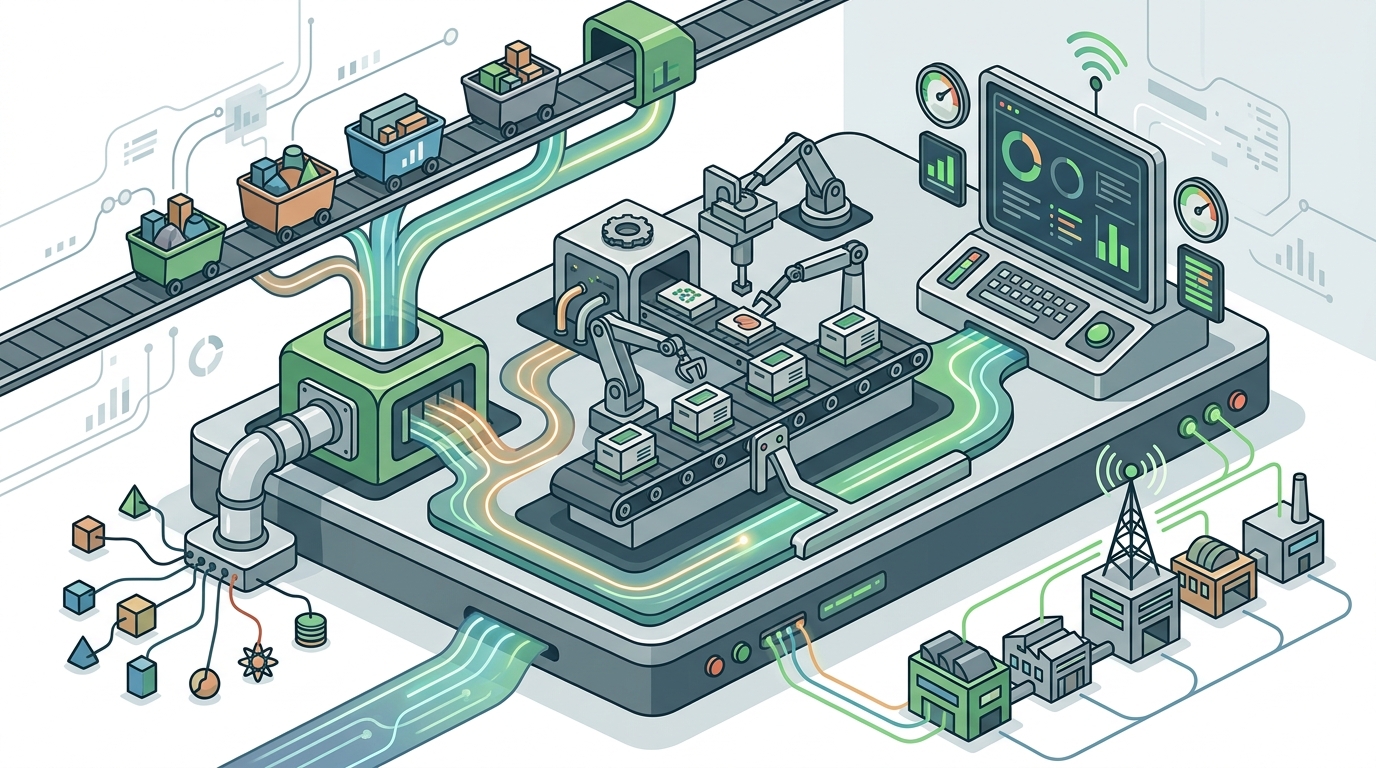
Process automation is the use of technology to execute repetitive tasks with minimal human intervention. In the context of internal operations, this involves building custom scripts or modules that handle data entry, notifications, and status updates automatically. The goal is to free up your team to focus on high-value strategic work rather than administrative busywork. Custom automation solutions are more flexible than off-the-shelf tools because they can be tailored to your specific business logic.
Building Custom Automation Modules
Custom web applications allow you to build automation modules that integrate directly with your existing infrastructure. For example, you can create a module that automatically generates a report when a specific data threshold is met. This level of granularity is often impossible with generic software. By developing these modules in-house or with a partner, you retain full control over the logic and can adjust it as your business evolves.
Reducing Human Error
Manual processes are prone to error, especially when they involve data entry or complex calculations. Automation eliminates these risks by enforcing consistent rules and validations. When a system automatically calculates a total or validates a date format, the chance of a typo or miscalculation drops to near zero. This reliability is crucial for operations where accuracy directly impacts revenue or compliance.
Data Integration
Data integration is the process of combining data from different sources into a unified view. Most businesses rely on a patchwork of software tools, each storing data in its own silo. This fragmentation leads to inconsistent information and makes it difficult to get a complete picture of your operations. Custom web applications can act as a central hub, pulling data from various systems and presenting it in a coherent format.
Breaking Down Data Silos
Ensuring Data Consistency and Quality
Integration is not just about moving data; it is about ensuring that the data remains consistent and high-quality throughout the process. Custom applications can include validation rules that check for errors or inconsistencies before data is stored. This proactive approach to data quality prevents the "garbage in, garbage out" problem that plagues many businesses. By maintaining a single source of truth, you empower your team to make informed decisions with confidence.
Real-Time Dashboards
Real-time dashboards are visual interfaces that display key performance indicators (KPIs) and operational metrics as they happen. These dashboards provide immediate visibility into the health of your business, allowing managers to spot issues and respond quickly. Unlike static reports that are generated at the end of a day or week, real-time dashboards offer a live view of your operations. This immediacy is crucial for making agile decisions in a fast-paced environment.
Designing Effective KPIs
The value of a dashboard depends on the quality of the metrics it displays. Choose KPIs that directly align with your business goals and operational objectives. Avoid cluttering the dashboard with too many metrics, as this can overwhelm users and obscure critical information. Focus on a few key indicators that provide a clear picture of performance. For example, if your goal is to reduce processing time, track the average time taken for each step in your workflow.
Enabling Data-Driven Decision Making
Real-time dashboards empower your team to make data-driven decisions rather than relying on intuition or outdated reports. When managers can see the impact of their actions immediately, they can adjust strategies on the fly. This agility is a significant competitive advantage. By providing your team with the right tools to visualize data, you foster a culture of continuous improvement and accountability.
Comparison of Operational Strategies
| Strategy | Primary Benefit | Complexity | Best For |
|---|---|---|---|
| Workflow Mapping | Identifies bottlenecks | Low | Initial assessment |
| Process Automation | Reduces manual effort | Medium | Repetitive tasks |
| Data Integration | Unifies data sources | High | Fragmented systems |
| Real-Time Dashboards | Provides visibility | Medium | Performance monitoring |
Key Takeaways
- Workflow mapping is the essential first step in identifying inefficiencies before building custom software.
- Process automation reduces human error and frees up your team for high-value work.
- Data integration breaks down silos and ensures a single source of truth across your organization.
- Real-time dashboards provide immediate visibility into operational performance.
- Custom web applications offer the flexibility to tailor solutions to your specific business logic.
- Collaborating with a specialized agency like MEDL Mobile ensures best practices in design and development.
- Continuous monitoring and optimization are necessary to maintain the benefits of your new systems.
Frequently Asked Questions
How long does it take to develop a custom web application?
Can custom web apps integrate with our existing software?
Yes, custom web applications are designed to integrate with existing software through APIs and other data exchange methods. This allows you to connect your new system with your current CRM, ERP, or accounting tools, ensuring seamless data flow and reducing the need for manual data entry.
What is the cost of custom web application development?
The cost of custom web application development depends on the features, complexity, and the expertise of the development team. It is typically an investment in long-term efficiency and scalability. Working with a reputable agency can help you understand the cost structure and ensure you get the best value for your investment.
How do we ensure data security in custom web apps?
Data security is a top priority in custom web application development. This includes implementing encryption, secure authentication, and regular security audits. A professional development team will follow industry best practices to protect your sensitive data from unauthorized access and breaches.
Can we update the application as our business changes?
Yes, one of the main advantages of custom web applications is their flexibility. As your business evolves, you can update and expand the application to meet new requirements. This adaptability ensures that your software continues to support your operations effectively over time.
Why choose a specialized agency for this project?
A specialized agency like MEDL Mobile brings expertise in mobile and web development, AI, and user experience design. They can guide you through the entire process, from initial planning to deployment and maintenance, ensuring that your solution is built on a solid foundation and delivers measurable results.
Conclusion
Streamlining your internal operations with custom web application development is a strategic move that can yield significant returns in efficiency, accuracy, and visibility. By starting with thorough workflow mapping, implementing targeted process automation, integrating your data sources, and deploying real-time dashboards, you can transform your business operations. Partnering with a trusted digital product agency like MEDL Mobile ensures that you have the expertise and support needed to navigate this transformation successfully. To begin your journey toward more efficient operations, today.